Flower Doodles Font: Adding Hand-Drawn Charm to Your Designs
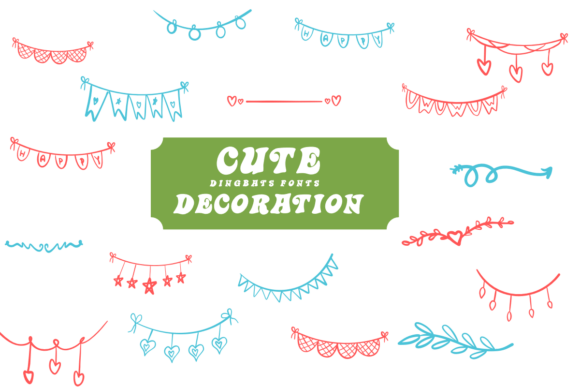
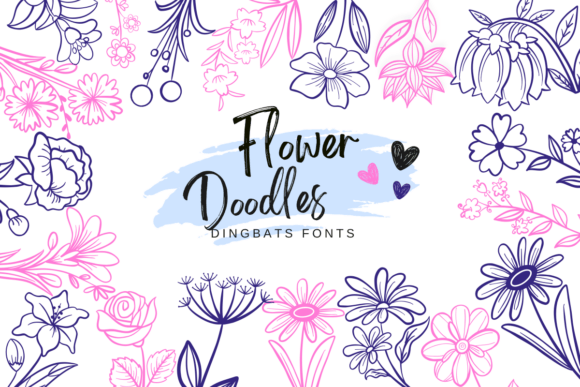
There’s something undeniably appealing about hand-drawn elements in design. They bring warmth, personality, and a touch of authenticity that crisp digital lines sometimes miss. This is exactly where the Flower Doodles Font finds its niche. It’s not a traditional letterform typeface but a specialized dingbats font, meaning its characters are replaced with decorative illustrations—in this case, charming, sketch-style floral doodles. Each glyph you type produces a unique botanical sketch, from simple leaves and buds to intricate bouquets and swirling vines, all rendered with a casual, pen-on-paper aesthetic.
Think of it less as a font for writing paragraphs and more as a versatile design asset. The visual personality of Flower Doodles is whimsical, organic, and gently artistic. The sketch style avoids looking overly polished or corporate, making it ideal for projects that aim to feel personal, handmade, or connected to nature. Its appeal lies in its ability to instantly inject a sense of craft and detail into a design without requiring you to be an illustrator. You’re essentially accessing a library of coordinated illustrations controlled through your keyboard.
Where This Creative Font Truly Blossoms
Understanding the nature of Flower Doodles Font is key to using it effectively. Its strength isn't in body text but in decorative accents, borders, and graphic elements. This makes it exceptionally useful across a wide range of projects. For anyone in the wedding stationery business, this font is a game-changer. Imagine using it to create delicate corner flourishes on invitation suites, to design a custom monogram for the couple, or to add a whimsical border to RSVP cards. It provides a consistent, professional-looking floral motif that ties the entire wedding stationery suite together beautifully.
Beyond weddings, its applications are vast. Crafters and DIY enthusiasts can use it to design custom patterns for fabric, create unique stamps, or embellish scrapbook pages. Small business owners, particularly those with brands rooted in wellness, beauty, floristry, or artisanal goods, can leverage the font to develop distinctive logo design elements or create cohesive social media graphics. Imagine an Instagram story for a florist with a border of the font’s doodles, or a product tag for handmade soap adorned with a simple floral glyph. It becomes a recognizable part of the brand’s visual language.
In editorial design and packaging design, these doodles can serve as section dividers, spot illustrations, or decorative bullets in a list. A blog post about gardening could use them to highlight key tips. A recipe booklet could feature them in the margins. The font adds visual interest and breaks up text-heavy layouts without overwhelming the core content. For web design, while not for navigation or headlines, it can be used in decorative borders, as part of a favicon, or in custom icons that maintain a handcrafted feel.
Practical Guidance for Seamless Integration
Using a specialty font like this requires a slightly different approach than selecting a standard sans serif font or serif font. First, consider your project’s core message. Flower Doodles Font communicates creativity, nature, and a gentle, approachable vibe. If your project demands stark minimalism, high-tech precision, or aggressive boldness, this might not be the right fit. However, if you’re aiming for warmth, whimsy, or organic appeal, it’s a strong candidate.
Next, think about font pairing. This is crucial. The doodles will be the star of the show visually, so the accompanying typeface should complement, not compete. A clean, simple handwritten font or a classic, readable serif font often works well. The goal is visual hierarchy: the doodles provide accent and flair, while the paired font handles the legible text. Avoid pairing it with another highly decorative or script-heavy typeface, as this can create visual clutter and reduce readability.
Always test the font in context. Install it and type out the full character set to see all the available doodles. Does it have the specific leaf, flower, or arrangement you need? How do the elements look at different sizes? What happens when you combine several glyphs in a row—do they create a seamless border? Check the licensing, especially for commercial use. Most premium fonts, including quality dingbats like this, will require a license for commercial projects, so ensure you have the correct one for your needs, whether for a client project or your own business materials.
Finally, use it with intention. Overusing decorative elements can make a design feel busy and amateurish. A few well-placed doodles often have more impact than a page covered in them. Let the Flower Doodles Font enhance your project, not dominate it. Used thoughtfully, it becomes a powerful tool in your creative arsenal, helping you craft designs that feel unique, personal, and professionally polished in their artistic detail. It’s a testament to how the right design assets can elevate a project from good to truly memorable, strengthening your brand identity with every carefully chosen flourish.