Cute Decoration Font: A Festive Touch for Creative Projects
Finding a typeface that genuinely captures a specific mood can be a challenge. You need something that communicates immediately, without explanation. This is where a specialized Cute Decoration Font enters the picture. It’s not just a set of letters; it’s a collection of visual cues designed to evoke celebration, whimsy, and handmade charm. As a dingbats font with a festive theme, it operates in a unique space, offering designers and creators a toolkit of decorative elements that can transform a project from ordinary to memorable.
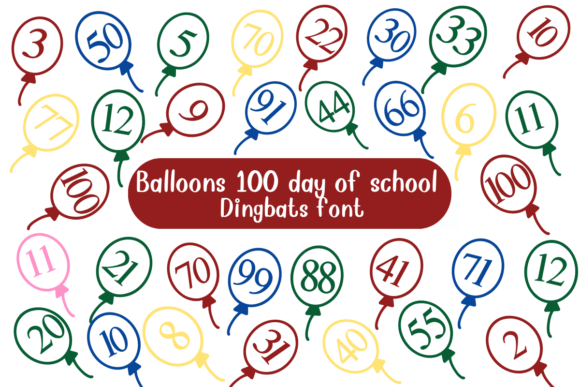
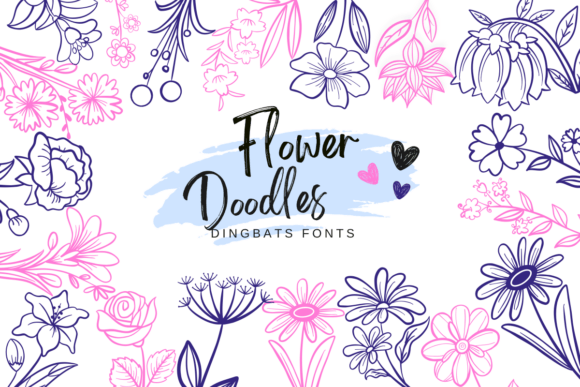
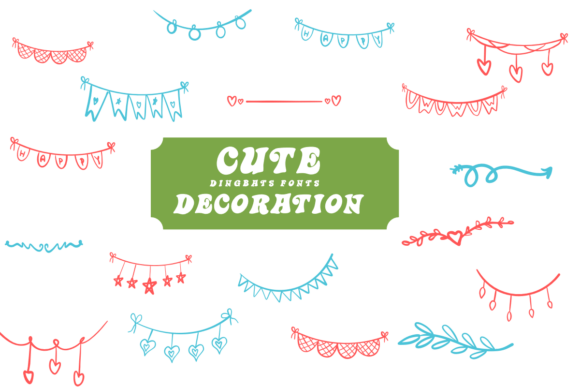
Unlike a standard serif font or sans serif font used for body text, a Cute Decoration Font is purely a display font. Its personality is bold, playful, and unmistakably cheerful. Think of the visual language of a birthday party, a baby shower, or a festive holiday gathering—this font encapsulates that energy. The characters are likely rendered as small illustrations: balloons, stars, hearts, swirls, presents, and other celebratory icons. Its appeal lies in its ability to inject instant personality and a sense of occasion into any design, making it a valuable design asset for anyone working on projects that require a touch of joy.
Where This Festive Font Truly Shines
The practical applications for a font like this are extensive, particularly for projects that aim for a personal, artisanal, or celebratory feel. Its strength is in its specificity. You wouldn’t use it for a corporate annual report, but it becomes indispensable for the following.
- Wedding and Event Stationery: This is a natural home for Cute Decoration Font. Use the decorative glyphs as accents on wedding invitations, save-the-dates, RSVP cards, and menu designs. They can replace standard bullet points or serve as charming borders and dividers, adding a unique, cohesive element to the entire suite.
- Branding and Logo Design for Niche Businesses: For a bakery, a children's boutique, a party planner, or a handmade craft shop, this font can inform the entire brand identity. The dingbat elements can become part of the logo, used as patterns on packaging, or as recurring motifs on business cards and social media templates. It helps build a brand that feels approachable and fun.
- DIY, Crafts, and Packaging Design: If you create physical products, this font is a game-changer. Use the symbols to design custom gift tags, stickers, stamp designs, or labels for jars of homemade jam. It adds a professional yet handmade quality that customers appreciate, elevating the perceived value of your craft.
- Digital Content and Social Media Graphics: In the fast-paced world of social media, standing out is key. The glyphs from Cute Decoration Font can be used as icons in Instagram stories, as decorative elements in Pinterest graphics, or as part of header images for blog posts. They add visual interest and break up text-heavy content, increasing engagement.
- Editorial and Publishing Design: In editorial design, such as magazines, planners, or recipe books, these dingbats can serve as charming section dividers, bullet points, or accent marks. They can help create a visual theme throughout a publication, guiding the reader’s eye in a playful manner.
Integrating the Font with Strategy and Care
Using a decorative font effectively requires more than just liking how it looks. It involves strategic thinking about visual hierarchy, audience perception, and practical execution. Here’s how to approach it like a professional.
Evaluating Project Fit and Audience
First, ask if the font’s personality aligns with your project's goals and your audience's expectations. A Cute Decoration Font is perfect for a target demographic of young families, craft enthusiasts, or anyone seeking a lighthearted experience. However, it might not resonate with an audience expecting minimalist sophistication or rugged professionalism. Context is everything. Using it for a legal firm’s branding would create a jarring disconnect, but for a community fundraiser, it could be perfect.
Mastering Font Pairing and Readability
This is critical. A Cute Decoration Font should almost never be used for large blocks of text or even for primary headlines in most professional contexts. Its power is in accentuation. Pair it with a clean, highly readable typeface. A classic serif font like Garamond can offer elegant contrast, while a simple sans serif font like Helvetica or Lato provides a modern, balanced backdrop. The goal is to let the decorative elements shine without compromising the clarity of your message. Always test your pairings at different sizes and in context to ensure the readability of your main content remains intact.
Considering Licensing and File Formats
As a premium font, it’s essential to understand the licensing. Check if the license covers your intended use—personal projects, commercial work for clients, or use on products for sale. Reputable foundries provide clear licensing terms. Also, review what’s included. Does the font family come with different styles or weights? For a dingbats font, this might mean variations of the same icons. Ensure you have the correct file formats (OTF, TTF, WOFF) for your needs, whether for print (packaging design, invitations) or digital (web design, social media graphics).
Ultimately, Cute Decoration Font is more than a novelty. It’s a specialized tool for injecting specific emotion and visual storytelling into your work. By using it thoughtfully—pairing it wisely, applying it to the right projects, and respecting its licensing—you can leverage its festive character to create designs that connect, delight, and leave a lasting impression. It’s about adding that human touch, one cheerful glyph at a time.