Celebrate with Style: The 4th July Font for Designers
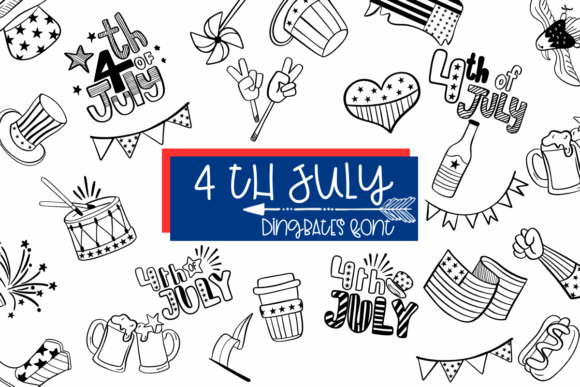
When a project calls for a sense of celebration, nostalgia, or a distinctly handcrafted vibe, the right typeface can do more than just present words—it can set the entire mood. Enter the 4th July Font, a specialized dingbats typeface built around a patriotic theme with a charming, sketched aesthetic. Unlike a standard serif or sans serif font, this creative font doesn’t rely on traditional letterforms. Instead, it serves as a visual toolkit, offering a collection of icons, symbols, and thematic illustrations that evoke the spirit of American independence and festive gatherings.
The visual personality of the 4th July Font is unmistakable. It leans heavily into a "hand-drawn" style, where lines are slightly imperfect, textures feel organic, and the overall look is approachable rather than sterile. Think of the difference between a perfectly printed flag and one sketched on a kraft paper napkin at a summer barbecue; the latter carries warmth and personality. This makes it an excellent alternative to rigid, corporate vector graphics. It bridges the gap between professional design assets and the tactile feel of DIY crafts, making it a versatile addition to a designer's toolkit, particularly for projects targeting a demographic that values authenticity.
Practical Applications: Beyond the Holiday Party
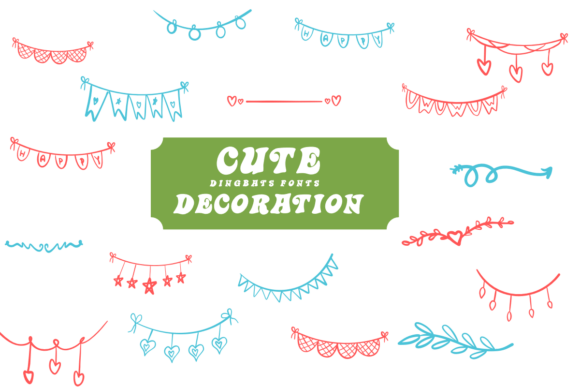
While the name suggests a specific holiday, the utility of the 4th July Font extends far beyond the Fourth of July. Its core assets—stars, stripes, banners, fireworks, and bunting—have broad applications in branding and marketing. For small business owners and entrepreneurs, these motifs are perfect for seasonal marketing campaigns. A bakery launching a summer menu, a boutique holding a clearance sale, or a marketing agency creating social media graphics for a client can use these dingbats to create eye-catching headers and backgrounds without needing to commission custom illustrations.
For those in the publishing and editorial design space, the font offers a way to break up long blocks of text. Using a sketched star or banner as a divider between sections adds a playful rhythm to a newsletter or blog post. It is particularly effective in packaging design, especially for artisanal products. Imagine a jam label or a craft beer bottle that uses these sketched elements to communicate a handmade, small-batch quality. The font acts as a visual shorthand for "made with care," which resonates strongly with modern consumers.
Furthermore, the 4th July Font is a powerhouse for personal projects. Wedding invitations for summer ceremonies, scrapbooking layouts, and DIY party decorations benefit immensely from its character. Because it is a digital asset, it offers the consistency of a typeface with the visual flair of custom art. You can scale the elements to fit a small place card or a large banner without losing the sketched texture that gives it its charm.
Strategic Design: Pairing and Professionalism
Using a display font or a dingbats font like this effectively requires a bit of strategy, particularly regarding visual hierarchy and readability. Because the 4th July Font is highly decorative, it should rarely be used for body text. Instead, it functions best as a supporting actor to a clean, legible lead. If you are designing a logo, for example, you might use a bold sans serif font for the company name and integrate a sketched star from the dingbats font as an icon or accent. This pairing creates a balanced brand identity that feels both professional and personable.
When evaluating font pairing, contrast is key. The organic, irregular lines of the sketched theme pair beautifully with structured, geometric sans serif fonts or even clean, modern serif fonts. Avoid pairing it with other overly decorative or handwritten scripts, as this can create visual noise and confuse the viewer's eye. The goal is to let the personality of the 4th July Font shine without overwhelming the message.
For content creators and bloggers, consistency is crucial. Using the same elements from the font across your website, email headers, and social media graphics helps build recognition. When a follower sees that specific style of sketched star or banner, they begin to associate it with your brand. This is a subtle but effective way to enhance brand perception and engagement.
Technical Considerations and Licensing
Before integrating the 4th July Font into a commercial workflow, it is essential to review the technical specifications and licensing. As a creative font, it is likely distributed as a premium font or under a specific license that dictates how it can be used. If you are a designer working on a project for a client, or a small business owner using it for merchandise, you must ensure you have the appropriate commercial license. This protects both you and your client from legal issues down the road.
Additionally, consider the file formats provided. Modern typography standards usually require OpenType (OTF) or TrueType (TTF) files for desktop use, but if you plan to use the symbols in web design, a Web Font format (WOFF/WOFF2) might be necessary. Since this is a dingbats font, accessibility can be a concern. If you use these symbols on a website, remember that screen readers may not interpret them as meaningful content. Always add "alt text" to images or use CSS to hide decorative elements from assistive technology to maintain an accessible user experience.
Ultimately, the 4th July Font is more than just a collection of patriotic symbols; it is a versatile design asset that injects personality and a handcrafted feel into digital and print projects. By understanding its strengths in visual hierarchy and pairing it with the right complementary typefaces, you can leverage its unique style to create memorable, engaging designs that stand out in a crowded market. Whether you are crafting a wedding invitation or launching a marketing campaign, this font provides the creative spark needed to celebrate your message with style.