Red Macaron Font: Your Sweet Spot for Friendly Design
There are times when a project calls for something that feels less like a corporate memo and more like a handwritten note from a friend. You know the feeling—the design needs a touch of warmth, a hint of personality, and a visual voice that’s approachable without being sloppy. This is the exact space where the Red Macaron Font thrives. It’s not just another display typeface; it’s a carefully crafted tool for designers, entrepreneurs, and creators who want to inject genuine friendliness into their work. If you’re tired of sterile sans serifs and overly formal serifs, this premium font might be the missing piece in your design asset library.
The Visual Character: More Than Just a Handwritten Font
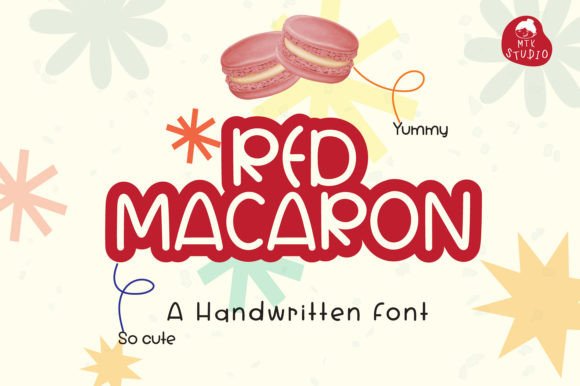
At first glance, Red Macaron registers as a handwritten font, but it’s important to distinguish it from the chaotic, scratchy scripts often found in free collections. This typeface strikes a delicate balance. It possesses the natural irregularity of human penmanship—which is crucial for authenticity—but it maintains a level of consistency and legibility that makes it a professional-grade tool. The letterforms are soft, rounded, and sweet, avoiding sharp, aggressive angles. This gives the text a "bouncy" rhythm that feels inviting and energetic without being overwhelming.
As a creative font, its visual personality is inherently optimistic. It doesn’t take itself too seriously, yet it isn’t childish. This makes it a versatile player in modern typography. Whether you are designing for a local bakery, a lifestyle blog, or a boutique clothing line, the font conveys a sense of care and craft. It suggests that a real human is behind the brand, which is a powerful psychological trigger in an age of automated marketing. When you use Red Macaron, you are essentially using a script font that has been optimized for clarity, ensuring that your message is felt as well as read.
Strategic Applications: Where Red Macaron Shines
Understanding the personality of the font is one thing; knowing where to deploy it is another. Because Red Macaron is a display font, it is designed for impact rather than long-form reading. You wouldn’t set a 500-word blog post in this typeface, but you would absolutely use it to draw the eye to the headline. In web design, it serves beautifully for hero sections, call-to-action buttons, or category headers. It breaks the monotony of standard sans serif fonts used for body text, creating a dynamic visual hierarchy that guides the user’s eye exactly where you want it.
In the realm of brand identity, this font is a strong contender for businesses that want to project approachability. Think about packaging design for artisanal goods—jams, candles, or skincare products. The whimsical nature of the typeface complements organic textures like kraft paper or recycled cardboard perfectly. It signals that the product inside is handmade with love. Similarly, for logo design, Red Macaron works well for brands that want to avoid the cold, industrial look. However, a practical tip for entrepreneurs: ensure your brand voice matches the font's cheerfulness. If you are a law firm or a cybersecurity company, this font might send the wrong message. But for a yoga studio or a florist, it’s a perfect match.
For content creators and marketers, the utility extends to social media graphics. Platforms like Instagram and Pinterest are highly visual, and a creative font can stop the scroll. Using Red Macaron for quotes, announcements, or promotional overlays adds a layer of personality that stock fonts lack. It feels distinct. Furthermore, in editorial design, such as digital magazines or newsletters, it can be used for pull quotes or section dividers to break up the text and add a casual, conversational tone to the publication.
Practical Implementation: Pairing and Readability
One of the most common questions regarding display fonts is how to pair them. Because Red Macaron has such a distinct personality, it requires a grounding partner. The best practice in font pairing is contrast. You want to pair this expressive handwritten font with something neutral and clean. A geometric sans serif font like Montserrat, Poppins, or a classic like Helvetica works exceptionally well. The clean lines of the sans serif allow the quirky details of Red Macaron to pop without creating visual clutter. Alternatively, pairing it with a simple, readable serif font can create a nice "high-low" contrast, mixing editorial elegance with handwritten charm.
When evaluating the fit of Red Macaron for a specific project, you must consider readability. As with any script font, legibility decreases as the font size decreases. It is best suited for headlines, logos, and short bursts of text. Avoid using it for detailed legal disclaimers, technical specifications, or long paragraphs. When testing the font, always view it in context. Mock up your design on a mobile screen and a desktop. Does the "sweetness" of the font get lost at small sizes? If so, reserve it for large headers and use a standard font for the details.
Finally, a note on professionalism and licensing. Red Macaron is a premium font, which usually implies a higher standard of design and technical support compared to free alternatives. Before purchasing, review the included styles. Does it come with multiple weights (Light, Regular, Bold)? Does it include special ligatures or alternate characters? These features are invaluable for logo design because they allow you to customize the text so it doesn’t look generic. Always check the commercial font license to ensure it covers your intended use—whether that is for physical products, digital templates, or client work. Investing in a legitimate license protects your business and ensures the designer is supported.
Ultimately, the Red Macaron Font is more than just a set of characters; it’s a design asset that brings a specific mood to your project. It is a tool for those who want to communicate with warmth, clarity, and a touch of whimsy. By applying it thoughtfully to your branding, web design, or packaging, you can transform a standard layout into something that feels personal and engaging.