Rainbow Flower Font: A Designer's Guide to Sweet Handwritten Style
When you first encounter the Rainbow Flower Font, its charm is immediate. It doesn't try to be overly sophisticated or edgy. Instead, it offers something increasingly rare in digital design: genuine warmth. This premium font captures the organic, slightly imperfect flow of real handwriting, giving it a personality that feels both approachable and distinctive. Its letterforms have a natural rhythm, with gentle curves and a relaxed baseline that avoids the rigid uniformity of many digital typefaces. This isn't a font that shouts; it converses. It’s the visual equivalent of a friendly smile or a handwritten note on a gift tag.
The Visual Character and Personality
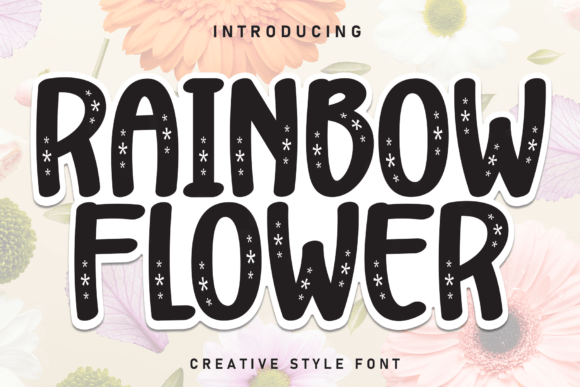
Rainbow Flower is a handwritten font at its core, but its style is carefully crafted to feel authentic rather than childish. The characters maintain a consistent weight, ensuring legibility even at smaller sizes, which is a common pitfall for many script and handwritten fonts. Its "sweetness" comes from soft terminals and rounded strokes, while its "friendliness" is conveyed through open apertures and a slightly bouncy baseline. This combination makes it incredibly versatile. It can feel playful for a children's brand, elegant for a boutique wedding invitation, or heartfelt for a personal blog. The font's personality is its strength—it injects an instant human touch into any project, fostering a sense of connection and approachability that stark, geometric fonts often lack.
Where This Creative Font Truly Shines
Understanding a font's ideal context is key to using it effectively. Rainbow Flower Font is a display font, meaning it's designed for headlines, logos, and short bursts of impactful text rather than long paragraphs. Its sweet, handwritten style makes it particularly powerful in specific applications:
- Brand Identity & Logo Design: For brands that want to convey authenticity, craftsmanship, or a personal touch. Think artisan bakeries, boutique florists, lifestyle coaches, handmade jewelry lines, or organic skincare brands. Using Rainbow Flower in a logo instantly sets a friendly, approachable tone.
- Editorial & Publishing Design: It works beautifully for chapter titles, pull quotes, or section headers in magazines, books, or blogs focused on lifestyle, DIY, cooking, or personal development. It adds a personal, curated feel to the layout.
- Packaging Design: On product labels for gourmet foods, candles, soaps, or stationery, this font can elevate the perceived value by suggesting a small-batch, handmade quality. It helps the product stand out on a shelf crowded with sterile, corporate typography.
- Digital & Social Media Graphics: In the fast-scrolling world of social media, a creative font like Rainbow Flower stops the eye. It's perfect for Instagram story headers, Facebook ad graphics, Pinterest pins, or YouTube thumbnails where you need to convey a message with personality and warmth.
- Personal & Commercial Projects: From wedding invitations and greeting cards to website hero text and email newsletter headers, its versatility is vast. It’s a valuable design asset for both hobbyist crafters using design software and professional marketers building campaign assets.
Practical Guidance for Effective Use
Adopting a new font is more than just liking how it looks; it's about strategic implementation. Here’s how to integrate Rainbow Flower Font effectively into your work.
Evaluating Project Fit and Readability
First, assess your project's goals. Is the primary aim to convey trust and professionalism? Rainbow Flower may be best used as an accent font alongside a clean sans serif font or serif font. Is the goal to feel personal, fun, and handmade? It can often stand alone as the primary headline font. Always test for readability. While clear for a handwritten style, it's not meant for body copy. Use it for titles, subheads, or short calls-to-action, and pair it with a highly legible body font for longer text.
Mastering Font Pairing
The right pairing is crucial for creating visual hierarchy and balance. Rainbow Flower's friendly style contrasts well with more structured typefaces. Try pairing it with:
- A simple, geometric sans serif font like Montserrat or Lato. This creates a clean, modern look where the handwritten font provides the personality and the sans serif delivers the information clearly.
- A classic, readable serif font like Georgia or Lora. This combination feels more traditional and elegant, suitable for editorial or boutique branding.
- A clean, monospaced font for a contemporary, tech-friendly contrast that still feels approachable.
Avoid pairing it with other highly stylized script or handwritten fonts, as this can create visual clutter and confusion.
Leveraging Included Styles and Licensing
A complete premium font package often includes more than the basic alphabet. Check for included styles like bold, italic, or alternate character sets. Rainbow Flower may offer swashes or stylistic alternates that can add even more flair to your headlines. Crucially, always understand the commercial license. If you're using it for client work, merchandise, or digital products for sale, ensure your license covers that use. This is a fundamental part of professional practice and protects both you and the font creator.
In the realm of modern typography, where many fonts feel cold or overly technical, Rainbow Flower Font offers a refreshing return to human connection. It’s a tool not just for setting type, but for setting a mood. By understanding its personality, knowing where it excels, and applying it with thoughtful pairing and testing, you can leverage this handwritten font to make your designs more engaging, memorable, and genuinely human. The only limit, as they say, is your imagination.