Simple Font: The Friendly Display Typeface for Kids
Choosing a typeface for projects aimed at children requires a specific balance. It needs to be engaging and fun, but above all, it must be clear and easy to read. This is where a well-designed display font like Simple Font becomes an invaluable design asset. It’s not just about making words look playful; it's about ensuring your message is communicated effectively to a young audience and the adults who guide them. A font that is overly complex or decorative can create a barrier, turning a fun activity into a frustrating one. Simple Font Font is built on the principle of friendly clarity, making it a reliable choice for a wide range of creative and commercial applications.
Anatomy of a Kid-Friendly Typeface
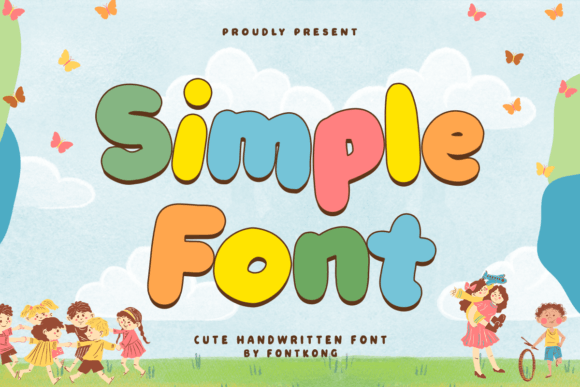
At its core, Simple Font Font is a sans serif font characterized by its clean, rounded letterforms. The terminals are soft, and the characters have a generous x-height, which significantly improves legibility, especially for early readers. Unlike a traditional serif font, which uses small strokes at the ends of letters, the absence of these details in Simple Font reduces visual clutter. This creates a warm and approachable personality that feels modern without being cold. It’s a premium font that avoids the common pitfall of many creative fonts: sacrificing function for a quirky aesthetic. The result is a typeface that feels joyful and secure, perfect for building a positive brand identity for any product or service targeting families.
One of the most practical features of this commercial font is its PUA (Private Use Areas) encoding. For designers, this means every glyph, swash, and stylistic alternate is fully accessible through standard software like Adobe Illustrator, Photoshop, or even Canva. You don’t need to be a typography expert to add a little extra flair. This ease of use empowers everyone from professional graphic designers to small business owners and hobbyist crafters to create polished, professional-looking materials. Whether you’re adjusting a headline or adding a decorative touch to an invitation, the entire character set is at your fingertips.
Where Simple Font Truly Shines
The versatility of Simple Font is one of its greatest strengths. In editorial design, it’s an excellent choice for children’s book titles, chapter headings, and pull quotes. Its friendly demeanor captures attention without overwhelming the accompanying body text. For educational publishers, it brings clarity to classroom worksheets, flashcards, and interactive learning apps, making information feel accessible and less intimidating. The font’s inherent charm also makes it ideal for playful packaging design for toys, snacks, and kids' apparel, where first impressions on the shelf are critical.
Beyond print, Simple Font Display Kids Font excels in the digital realm. It’s a fantastic option for web design elements on family-oriented blogs, e-commerce sites for children’s products, or educational platforms. When used in social media graphics, it helps create a consistent and recognizable visual voice that resonates with parents and educators. Think of event announcements for a school fair, promotional posts for a new kids' workshop, or engaging Instagram stories for a parenting brand. The font’s legibility at various sizes makes it a workhorse for logo design and branding, ensuring a company’s name is memorable and easy to read on everything from a website header to a favicon.
Practical Guidance for Using This Font
When incorporating Simple Font into your projects, a thoughtful approach to font pairing will yield the best results. Because it has a strong personality as a display font, it pairs beautifully with a neutral, highly readable body font. Consider combining it with a clean sans serif font like Lato or Open Sans for digital content, or a classic, legible serif font like Merriweather for longer passages in print. This creates a clear visual hierarchy, allowing Simple Font to command attention in headlines while the secondary font ensures comfortable reading for paragraphs.
Before committing to any premium font, always test it within the context of your specific project. Create a mockup of your design—whether it’s a book cover, a website banner, or a party invitation—and see how the font feels. Check the spacing, the weight, and how it interacts with other design elements like color and imagery. Evaluate the included styles; does it offer the weight variations you need for different levels of emphasis? Finally, always review the licensing. Ensure the commercial font license covers your intended use, whether for a single client project, a range of products for sale, or digital assets. This due diligence protects your investment and ensures your designs are both beautiful and legally sound.