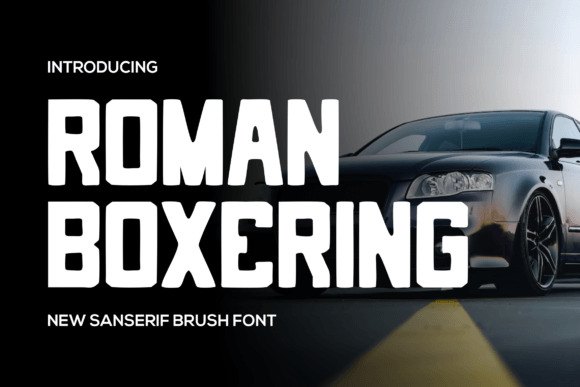
Roman Boxering Font: A Brushstroke of Creative Boldness
There’s a particular kind of energy that jumps off the screen or page when you see a typeface that doesn’t just sit there but seems to move. Roman Boxering Font is exactly that kind of creative force. It’s not your typical clean, geometric sans serif or a traditional, stable serif font. Instead, it’s a premium display font that captures the raw, unpredictable energy of a hand-painted brushstroke. The letters have a distinct, edgy character, with strokes that vary in thickness and finish with intentional, drippy paint effects. This isn’t a font for whispering; it’s for making a statement.
Think of it as a tool for injecting personality and a human touch into your projects. In a digital landscape often dominated by sterile, uniform typography, Roman Boxering offers a counterpoint. It feels artistic, slightly rebellious, and full of creative confidence. For designers, marketers, and content creators, it’s a typeface that can transform a mundane headline into a focal point, instantly setting a tone that’s bold, modern, and unapologetically creative. Its appeal lies in this very specificity—it’s a stylistic choice that communicates a particular vibe from the first glance.
Finding the Perfect Home for This Creative Font
Understanding where Roman Boxering shines is key to using it effectively. Its high-impact, decorative nature means it’s best suited for projects where you need to capture attention quickly and convey a sense of creativity, energy, or an artisanal quality. It’s a quintessential display font, meaning it’s designed for larger sizes like headlines, logos, and posters rather than body text.
In brand identity, this font can be a game-changer for businesses that want to project an edgy, artistic, or handcrafted image. Imagine a craft brewery’s logo, a independent music label’s masthead, or the branding for a streetwear startup. Roman Boxering immediately communicates a brand that is creative, confident, and a little outside the mainstream. For packaging design, particularly for products like hot sauces, specialty coffee, or artisanal spirits, the font’s textured, painted look can evoke a sense of handmade quality and bold flavor.
Moving into the digital realm, web design and social media graphics are prime territory. Use it for a hero banner headline on a creative agency’s website to make an unforgettable first impression. On Instagram or Pinterest, a post featuring Roman Boxering will stand out in a crowded feed, perfect for announcing a sale, promoting a new podcast episode, or sharing an inspirational quote. In editorial design, it can be used sparingly for chapter titles in a magazine or blog post headers to add a punch of visual interest. Even for personal projects—like designing a unique tattoo, creating custom party invitations, or crafting a standout resume for a creative field—this font adds a layer of professional polish and distinct personality.
Beyond Aesthetics: The Strategic Impact on Your Projects
Choosing a font like Roman Boxering isn’t just a stylistic decision; it’s a strategic one that influences how your audience perceives and interacts with your work. The right typeface guides the eye, builds hierarchy, and reinforces your message on a subconscious level.
First and foremost is visual hierarchy. Because of its strong visual weight and unique texture, Roman Boxering naturally commands attention. Using it for your main headline or key call-to-action instantly creates a clear focal point, telling the viewer exactly where to look first. This allows you to pair it with a cleaner, more neutral font for body text (like a simple sans serif or serif font), creating a balanced and easy-to-follow layout.
This choice directly impacts brand perception and recognition. Consistently using a distinctive font like this across your marketing materials—website, social media, packaging, print ads—builds a recognizable visual identity. Over time, your audience will start to associate that bold, painted style with your brand’s unique personality. It’s a powerful tool for standing out in a competitive market where consistency is key to building trust and professionalism.
Finally, there’s audience engagement. A font with character sparks curiosity and emotion. The artistic, slightly gritty feel of Roman Boxering can resonate deeply with audiences who value creativity, individuality, and authenticity. It can make your content feel more relatable and engaging, encouraging people to stop scrolling and pay attention. However, this comes with a caveat: its strong personality means it won’t be the right fit for every project. A law firm or a luxury watch brand might find it too casual, but for a music festival, a design studio, or a trendy café, it’s a perfect match.
A Practical Guide to Using Roman Boxering
Ready to put this typeface to work? Here’s some practical advice for incorporating Roman Boxering into your design toolkit.
First, evaluate the project fit. Ask yourself: Does the mood of this project align with the font’s personality? Is the goal to be bold, creative, edgy, or handcrafted? If you’re designing a corporate annual report, look elsewhere. If you’re creating a poster for a local art show or a logo for a indie game studio, you’re on the right track.
Next, master the art of font pairing. A display font like Roman Boxering rarely works alone. Its strength is in the headline. For body text, you need a complementary workhorse. A clean, geometric sans serif font (like Montserrat, Poppins, or Open Sans) provides a neutral, readable counterpoint that lets the headline shine without causing visual clutter. A simple, traditional serif font (like Georgia or Merriweather) can also create an interesting, high-contrast pairing that feels both modern and grounded.
Always review the included styles and character sets. A good premium font often comes with more than just the basic letters. Check for alternate characters, ligatures, or stylistic sets that can give you even more creative control and help you avoid repetition in longer words. Also, pay close attention to readability considerations. While it’s a display font, the letterforms should still be legible at the sizes you intend to use. Test it in your actual layout—on a mockup of your website, a sample of your packaging, or a draft of your social media post—to ensure the drips and brush textures don’t obscure important letters.
Finally, be mindful of commercial licensing. Since Roman Boxering is a premium font, ensure you purchase the appropriate license for your intended use—whether it’s for a personal blog, a client’s project, or a product you plan to sell. This protects both you and the font designer and is a standard part of working with professional design assets.
In the end, Roman Boxering Font is more than just a set of letters; it’s a design asset that brings a specific, powerful energy to the table. Used thoughtfully, it can elevate your projects from ordinary to memorable, helping you build a brand identity that truly resonates with a creative audience.