Mummy Font: A Quirky Choice for Creative Projects
Finding a typeface that balances personality with professionalism can be a real challenge. You want something that stands out, something that injects a bit of fun into a design without sacrificing clarity or looking amateurish. This is where a font like Mummy Font enters the conversation. It’s not your typical workhorse serif font or a clean sans serif font; instead, it’s a creative font built for projects that need a distinct, approachable, and slightly whimsical vibe. If you’re working on something aimed at families, children, or any brand that wants to feel friendly and engaging, understanding the strengths of Mummy Font is a worthwhile exercise.
The Visual Personality: What Makes Mummy Font Stand Out?
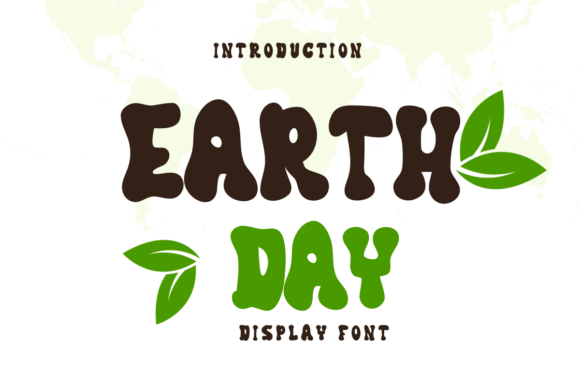
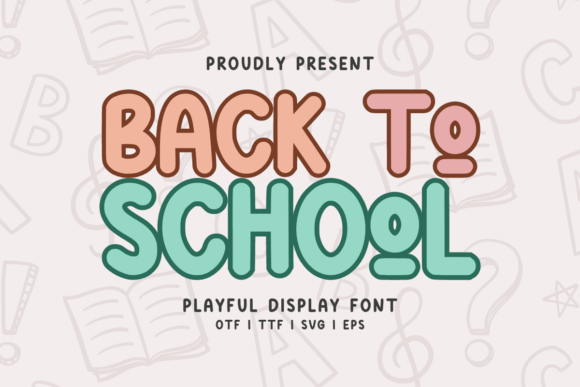
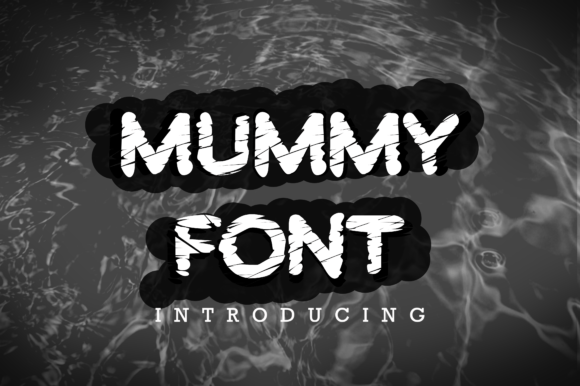
At its core, Mummy Font is a display font. This means it’s designed for use in headlines, logos, and short bursts of text rather than for long paragraphs in a book. Its visual character is defined by a few key traits. The letterforms often have a soft, rounded quality, reminiscent of hand-lettering or cartoon typography. You’ll notice there’s little to no sharp corners; instead, edges are gently curved, giving the entire typeface a friendly and non-threatening appearance. The weight is typically consistent, avoiding extreme thick-thin contrasts found in some serif font designs. This consistency contributes to its playful, blocky feel. The overall impression is one of approachability and charm, making it a fantastic tool in the right context.
Where This Creative Font Truly Shines
Knowing a font’s personality is one thing; knowing where to deploy it is another. Mummy Font isn’t a universal solution, but in its niche, it’s incredibly effective. Its strengths become clear when applied to specific types of projects where its quirky nature is an asset, not a distraction.
- Branding and Logo Design: For businesses targeting a younger audience or those in the creative, family-oriented, or entertainment sectors, Mummy Font can be a cornerstone of a memorable brand identity. Think of a local children’s bookstore, a family-run bakery, a creative workshop studio, or a YouTube channel focused on crafts. The font immediately communicates a sense of fun and accessibility.
- Packaging Design: On shelf, packaging needs to grab attention quickly. Using Mummy Font for product names on items like children’s snacks, craft kits, board games, or party supplies can make the product feel instantly more appealing and age-appropriate. It helps the product’s personality leap off the shelf.
- Editorial and Publishing: While not for body text, it works beautifully for chapter titles in a children’s book, magazine headlines for a parenting publication, or the cover title of a playful cookbook. It sets a tone before the reader even dives into the content.
- Digital and Social Media: In the fast-scrolling world of social media, distinctive social media graphics are crucial. Mummy Font can make Instagram post titles, YouTube video thumbnails, or website banners for a blog stand out. Its legibility at various sizes makes it a practical choice for digital screens.
- Physical Products and Crafting: This is where Mummy Font excels for hobbyists and small business owners. It’s a superb choice for Cricut projects. Imagine custom t-shirts for a family reunion, personalized stickers for planners, party banners, or labels for homemade jams. The font cuts cleanly and its style translates perfectly to physical media.
Making a Strategic Choice: Pairing and Practicality
Adopting any new design asset requires a bit of strategy. Simply liking the look of Mummy Font isn’t enough; you need to ensure it serves your project’s goals. Here’s how to approach it practically.
First, consider font pairing. Because Mummy Font has such a strong personality, it rarely works well when paired with another expressive script font or handwritten font. The result can look chaotic. The best approach is to pair it with a simple, clean sans serif font for any supporting text, like body copy or captions. A neutral sans serif will provide a visual rest for the eye and ensure your message remains clear. For example, using Mummy Font for a headline and a font like Open Sans or Lato for the description creates a balanced hierarchy.
Next, evaluate your project’s fit. Ask yourself: what is the core emotion I want to evoke? If the answer is serious, authoritative, or luxurious, Mummy Font is likely the wrong choice. If the answer is playful, energetic, childlike, or whimsical, it’s a strong contender. Consider your audience’s expectations. A legal firm’s website would be undermined by a playful display font, but a toy store’s branding would be enhanced by it.
Finally, pay attention to the technical details. Check what styles are included with the font. Does it come with bold or italic variations? These can be useful for creating subtle emphasis within your design system. More importantly, if your project is commercial—like a product you’re selling or a client’s brand identity—you must verify the commercial font license. A premium font like Mummy Font typically comes with a license that permits commercial use, but it’s your responsibility to read and understand the terms. This is a non-negotiable step for professional work.
In practice, testing is everything. Before committing, set your key text in Mummy Font. Look at it in context. Does it remain legible at the size it will be used? Does it clash with other colors or elements in your design? Sometimes, a font that looks great in isolation doesn’t work within a complex layout. By taking the time to test and pair thoughtfully, you move from simply using a font to strategically wielding a tool that strengthens your entire creative vision.