Font Blade: The Handwritten Font for Modern Design
Finding a handwritten font that feels genuine without sacrificing clarity is a common challenge. Many script fonts lean too far into casual, illegible loops or overly formal, stiff flourishes. Font Blade occupies a distinct and valuable middle ground. It’s a light, elegant typeface with an effortless beauty, designed to add a sophisticated spark to projects without overwhelming the content. This isn't a font that shouts; it converses. Its character lies in its refined, flowing strokes and balanced letterforms, making it a versatile tool for anyone looking to inject a human touch with a polished edge.
Understanding Font Blade's Visual Character
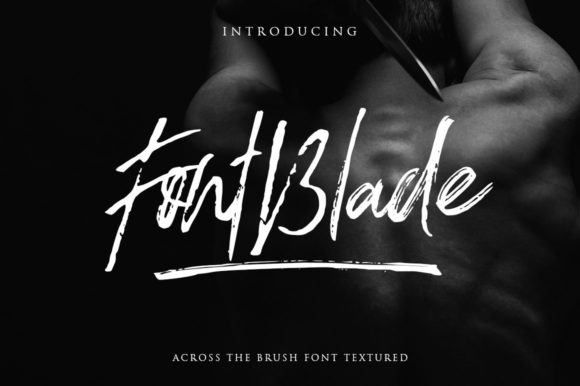
At its core, Font Blade is a premium font in the handwritten font category, but it’s meticulously crafted. The letterforms exhibit a natural, slightly varied baseline and subtle ink traps that mimic the organic feel of pen on paper. However, the x-height is generous, and the spacing is carefully considered, ensuring it remains remarkably readable even at smaller sizes. The overall personality is one of approachable elegance—it’s friendly yet professional, personal yet polished. This balance makes it a powerful display font for headlines while still functioning surprisingly well for short blocks of body text in certain contexts.
Unlike a rustic, textured script, Font Blade’s beauty is in its clean, modern execution. It avoids the pitfall of many script font styles that become illegible when set in all caps. Font Blade includes a full set of uppercase letters, numerals, and punctuation, all maintaining its signature graceful flow. This attention to detail elevates it from a simple decorative typeface to a functional creative font for real-world applications.
Where Font Blade Truly Shines
The versatility of Font Blade is its greatest strength. It’s not a one-trick pony confined to wedding invitations. Consider its application across various domains:
- Brand Identity & Logo Design: For brands aiming for a personal, artisanal, or boutique feel—think independent cafés, lifestyle coaches, handmade product lines, or boutique consultancies—Font Blade can become the cornerstone of a brand identity. It works beautifully as a primary logotype or as a complementary display font for taglines and secondary branding elements.
- Editorial & Publishing: In editorial design, it’s perfect for chapter headings, pull quotes, or author names on book covers. For bloggers and content creators, it adds personality to featured images, section headers, or newsletter templates, breaking the monotony of standard sans serif font or serif font choices.
- Packaging & Product Design: The font’s elegant flair is ideal for packaging design. Imagine it on a craft coffee bag, a artisanal soap label, or a premium candle box. It communicates quality and care without needing additional ornamental graphics.
- Digital & Web Design: When used thoughtfully in web design, Font Blade can highlight key calls-to-action, testimonial quotes, or hero section text. Its readability holds up on screens, making it a strong candidate for social media graphics where a quick, impactful message is crucial. It pairs exceptionally well with clean sans serif font families for a balanced, modern layout.
- Marketing & Advertising: From brochure headlines to Instagram story text, Font Blade adds a human element that can increase audience engagement. It’s a commercial font that helps marketing materials feel less corporate and more connected, which is particularly effective for small businesses and entrepreneurs building community.
Making Font Blade Work for Your Project
Choosing a font is a strategic decision. Here’s practical guidance for evaluating and implementing Font Blade effectively.
Evaluating Fit and Readability
First, consider your project’s primary message. Font Blade excels when the goal is to convey warmth, creativity, or personalized sophistication. It’s less suited for technical manuals or dense academic text. Always test it in context. Create a mock-up of your intended use—a sample social media post, a draft logo, a headline layout. View it at both the intended size and smaller sizes to check for legibility. Its strength is in headings and short phrases; for long-form reading, pair it with a highly legible body typeface.
Mastering Font Pairings
The key to using any display font successfully is pairing. Font Blade’s elegant, flowing nature creates a beautiful contrast with structured, geometric sans serif font families. Try it with a font like Montserrat or Open Sans for a clean, contemporary look. For a more classic, editorial feel, it can also pair with a traditional serif font like Georgia or Garamond, letting the handwritten element act as a striking accent. Avoid pairing it with other ornate scripts or script font styles, which will create visual clutter.
Leveraging Included Styles and Licensing
A professional premium font like Font Blade often comes with more than just the basic weight. Explore the included styles—does it have a light, regular, and bold? Does it include alternate characters or ligatures? These extras provide flexibility for creating visual hierarchy and adding nuanced detail to your designs. Crucially, for any commercial project—from a client’s logo to a product you sell—you must ensure you have the appropriate commercial font license. Reputable foundries provide clear licensing terms, so review them carefully to ensure your use is covered.
Ultimately, Font Blade is more than just a creative font; it’s a design asset. It’s a tool that, when used with intention, can significantly elevate a project’s aesthetic and emotional impact. It bridges the gap between the impersonal precision of standard digital fonts and the raw, sometimes messy, charm of true handwriting. For designers, marketers, and creators seeking to add that sophisticated spark of human elegance, it’s a typeface well worth exploring. Its real value lies not in its curves alone, but in its ability to make your message feel both personal and polished.