Bricfield Font: Vintage Texture for Modern Branding
The Enduring Allure of a Weathered Serif
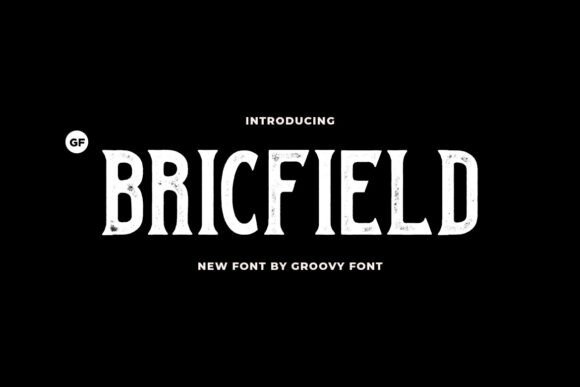
There's a certain magic in objects that show their age—a well-worn leather journal, a hand-painted shop sign from decades past, or the faded ink on a vintage postcard. This sense of history, texture, and authenticity is precisely what the Bricfield Font brings to the table. It’s not just a serif font; it’s a story in letterform. At its core, Bricfield is a premium font characterized by its rough, textured edges and a distinctly retro, vintage aesthetic. The glyphs aren't perfectly smooth; instead, they carry a subtle weathered quality, as if they've been printed on an old press or carved from aged wood.
This isn't a font for sterile, ultra-modern interfaces that demand pixel-perfect clarity. Its strength lies in its imperfection. The textured finish softens the formality often associated with traditional serifs, injecting warmth and approachability. When you choose Bricfield, you're selecting a typeface with built-in character. It immediately communicates a narrative of craftsmanship, heritage, and authenticity, making it a powerful tool for designers and creators looking to evoke a specific, tangible feeling in their work.
Where Bricfield Truly Shines: Practical Applications
Understanding a font's personality is one thing; knowing where to deploy it is another. Bricfield's vintage charm makes it a standout display font, ideal for headlines, logos, and short bursts of impactful text where its detailed texture can be appreciated. In logo design, it can anchor a brand for a craft brewery, artisan coffee roaster, or boutique bookstore, instantly conveying a sense of tradition and quality. Its aesthetic pairs exceptionally well with packaging design for products that emphasize natural ingredients, handcrafted processes, or nostalgic appeal.
Beyond logos, consider its role in editorial design. A magazine feature on historical topics, a cookbook with rustic recipes, or a lookbook for a heritage clothing line would benefit immensely from Bricfield's textured presence. For digital creators, it can elevate social media graphics by breaking through the noise of clean, sans-serif defaults. Use it for quote cards, promotional banners, or podcast cover art to add depth and a tactile quality that stops the scroll. Even in web design, it can be used sparingly for hero section headlines or key calls-to-action, provided it's paired thoughtfully with a highly readable body font.
Pairing for Balance and Readability
The textured nature of Bricfield means it performs best at larger sizes. For body copy or lengthy paragraphs, you'll need a complementary partner. A clean, geometric sans serif font or a simple, legible script font for accents can provide excellent contrast. This font pairing strategy ensures your design maintains visual hierarchy and readability. For instance, a bold Bricfield headline over a classic sans-serif like Montserrat or Open Sans creates a compelling balance between vintage flair and modern clarity.
Making Bricfield Work for Your Brand Identity
Integrating a distinctive font like Bricfield into your brand identity requires thoughtful application. Consistency is key. Use it across all primary touchpoints—your logo, website headlines, packaging, and marketing collateral—to build strong visual recognition. Its inherent vintage aesthetic can help a brand stand out in crowded markets by signaling a unique value proposition rooted in quality and tradition. This can significantly influence brand perception, positioning your business as one that values depth and story over fleeting trends.
However, context is everything. While Bricfield is a fantastic creative font, it might not be the right fit for a cutting-edge tech startup or a medical practice seeking a sterile, clinical vibe. Always evaluate the project's core message. Does it align with themes of heritage, craftsmanship, authenticity, or rustic charm? If yes, Bricfield is likely a strong candidate. If the project demands minimalist efficiency or futuristic sleekness, you may need to explore other design assets.
A Final Note on Selection and Licensing
Before committing, take advantage of any specimen sheets or preview tools to test Bricfield with your own text. Check the available styles and weights—does the family include italics or alternate characters that could enhance your design? Crucially, ensure you understand the commercial font licensing. Most premium fonts require a license for commercial use, so verify the terms match your project's scope, whether it's for a single client, a product line, or a digital download. By doing this due diligence, you can confidently harness the unique, textured personality of the Bricfield Font to create designs that are not only beautiful but also strategically aligned and legally sound.